
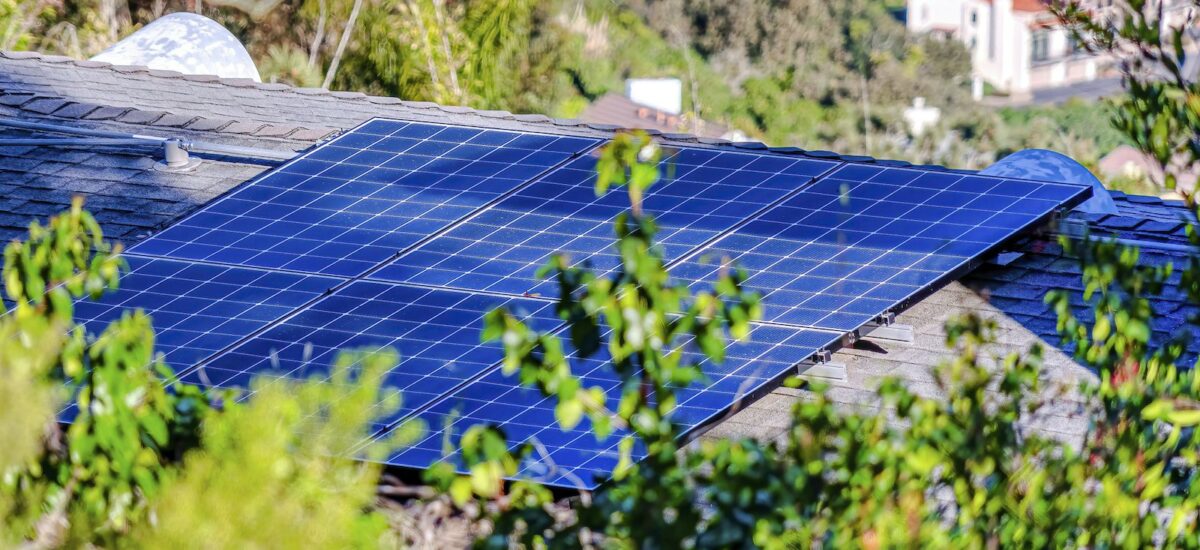
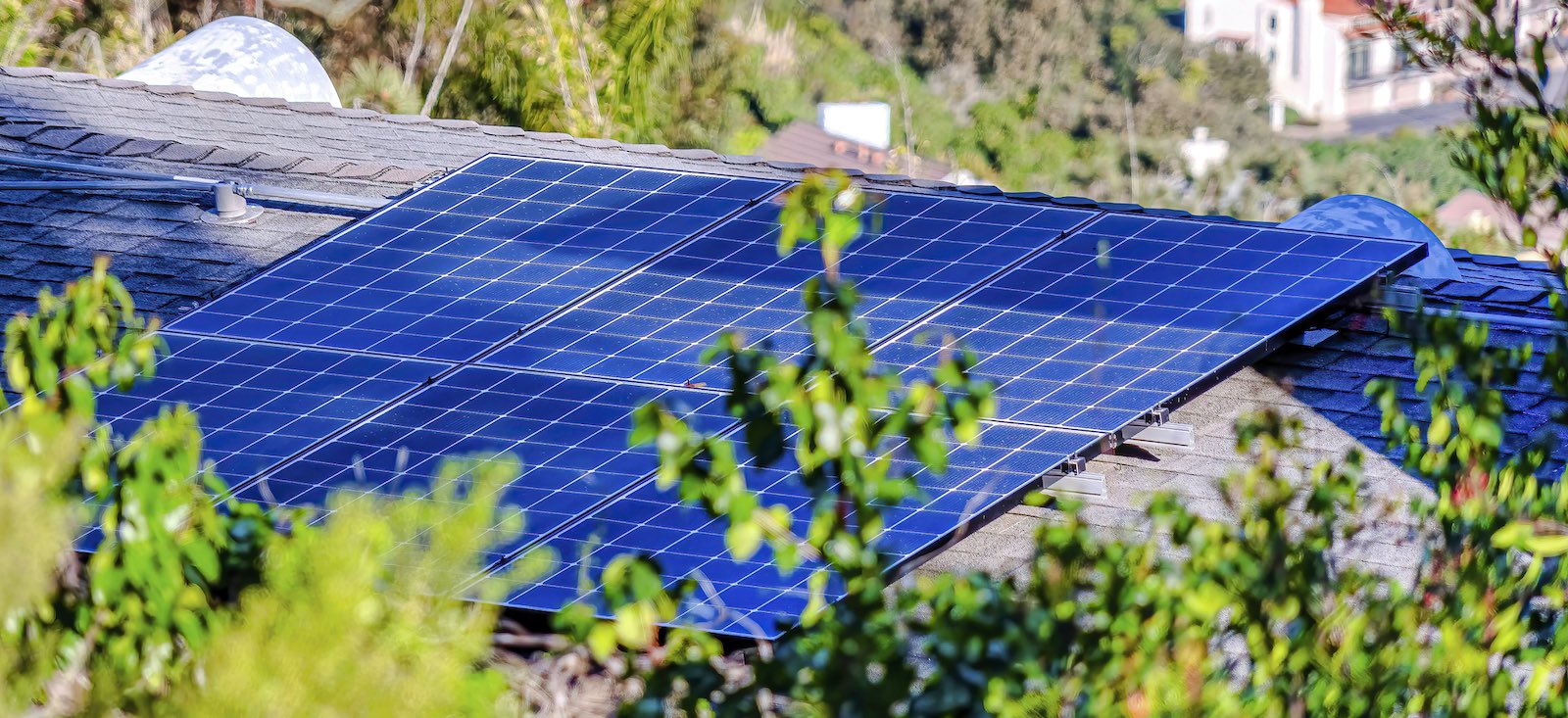
If you have rooftop solar or are considering adding solar during a San Diego home renovation, it is important to understand how your utility bill will be calculated.
California’s original Net Energy Metering programs are now closed to new residential enrollments. Since April 15, 2023, most new rooftop solar customers in San Diego Gas & Electric territory have enrolled under the Net Billing Tariff, which SDG&E calls the Solar Billing Plan. This program is also sometimes informally called NEM 3.0.
Existing solar customers may still be covered by NEM 1.0 or NEM 2.0, depending on when their systems were originally installed and interconnected.
What Is Net Energy Metering?
Net Energy Metering, commonly shortened to NEM, is a billing arrangement for customers who generate electricity with rooftop solar or another eligible renewable-energy system.
The electricity generated by the solar panels is first used to power the home. When the system produces more electricity than the home is using, the excess electricity is sent to the electric grid.
Under the older NEM tariffs, customers receive bill credits for the electricity they export. Those credits are generally based on the retail electricity rates associated with the customer’s applicable pricing plan. Standard NEM tariffs are now closed to new enrollment.
Are Existing NEM 2.0 Customers Still Grandfathered?
Existing NEM 2.0 customers are generally allowed to remain on that tariff for 20 years from the date their solar system was originally interconnected.
The legacy period is connected to the solar system’s original interconnection date. Purchasing a home with an existing solar system does not restart the period.
When the applicable legacy period ends, SDG&E will transition the account to the current Solar Billing Plan. Customers are notified before that transition occurs.
Homeowners considering expanding or substantially modifying an existing solar system should speak with SDG&E and a qualified solar contractor before beginning work. Certain changes may affect the system’s interconnection agreement or existing tariff status.
What Replaced NEM 2.0?
The Net Billing Tariff replaced NEM 2.0 for most customers who submitted a new interconnection application on or after April 15, 2023.
SDG&E refers to the Net Billing Tariff as the Solar Billing Plan.
As with the older NEM programs, electricity generated by the solar system is first used by the home. This reduces the amount of electricity the homeowner needs to purchase from the grid.
The main difference is how excess electricity is credited.
Under the Solar Billing Plan, exported electricity receives an Energy Export Credit based on its value to the electric grid during the hour it is delivered. Export-credit values are usually lower than the retail price of electricity, although they can be higher during certain high-demand periods, particularly on some late-summer evenings.
This means homeowners generally receive the greatest value by using more of their solar electricity inside the home rather than routinely exporting large amounts during lower-value daytime hours.
How Does the SDG&E Solar Billing Plan Work?
A home with solar may both import electricity from and export electricity to the grid during the same day.
During daylight hours, the solar system may produce enough electricity to power the home. Any excess electricity can be stored in a battery or exported to the grid.
At night or when electricity usage exceeds solar production, the home imports electricity from the grid.
Residential Solar Billing Plan customers use an approved time-of-use pricing plan. SDG&E currently identifies EV-TOU-5 as the applicable residential plan, with on-peak hours from 4 p.m. to 9 p.m. Electricity used during those hours is generally more expensive than electricity used during off-peak or super-off-peak periods.
Solar Billing Plan customers pay their remaining electricity charges monthly. Unused export credits can roll forward to later months until the annual true-up or the account is closed.
Residential customers also pay a Base Services Charge. This charge cannot be offset using solar export credits.
Rates, pricing plans and export-credit amounts can change, so homeowners should confirm the current terms with SDG&E and their electricity generation provider before making a financial decision.
Why Battery Storage Matters
Battery storage has become more important under the Solar Billing Plan.
A battery can store electricity generated by the solar panels during the middle of the day. The stored electricity can then be used during the 4 p.m. to 9 p.m. peak period, when electricity imported from the grid is generally more expensive.
Depending on the system settings and export-credit schedule, a battery may also export stored electricity during higher-value hours.
SDG&E advises Solar Billing Plan customers that shifting usage away from the 4 p.m. to 9 p.m. period and using stored energy during that period may help improve savings.
A battery can also provide backup power during some outages when it is installed with suitable equipment and configured for backup operation.
Is Solar Still Worth It in San Diego?
Solar may still reduce electricity costs, but the financial results depend on much more than the amount of sunshine the roof receives.
Important factors include:
- The home’s current electricity consumption
- Future electricity needs
- Roof orientation and shading
- The condition and remaining life of the roof
- Solar-system size
- Battery capacity
- Installation and financing costs
- SDG&E and Community Choice Aggregation rates
- When the household uses electricity
- Whether the home includes an electric vehicle, heat pump or other major electrical loads
Under the Solar Billing Plan, most savings come from using solar electricity directly in the home and reducing the amount purchased from the grid. Export credits generally contribute a smaller portion of the total savings.
Homeowners should be cautious of sales claims promising free solar, the complete elimination of electric bills or guaranteed savings. The California Public Utilities Commission states that electricity-bill savings estimates are projections rather than guarantees.
Planning Solar as Part of a Home Remodel
A major renovation can be an appropriate time to prepare a home for solar, battery storage and future electrification.
Before construction begins, consider:
- Whether the roof will need replacement soon
- Whether the electrical panel has enough capacity
- Where inverters, batteries and disconnect equipment could be located
- Whether the remodel will add an electric vehicle charger
- Whether gas appliances will be replaced with electric appliances
- Whether the project will include a heat pump or electric water heater
- How future electricity usage could affect solar-system sizing
- Whether roofing, structural or electrical permits will be required
Installing solar before replacing an aging roof can result in additional costs when the panels must later be removed and reinstalled.
Similarly, planning electrical upgrades during a larger renovation may be more efficient than reopening walls or modifying finished areas after the remodel has been completed.
What If You Receive Electricity Through a Community Choice Aggregator?
Many San Diego County customers receive electricity generation through a Community Choice Aggregator while SDG&E continues to deliver the electricity and maintain the grid.
Import rates, export credits and billing arrangements may differ depending on the customer’s energy provider. SDG&E recommends that Community Choice Aggregation customers contact their provider for information about generation and export pricing.
Homeowners should review information from both SDG&E and their Community Choice Aggregator when evaluating projected solar savings.
Preparing Your San Diego Home for the Future
Solar billing has changed significantly since NEM 2.0, but rooftop solar can still be part of a broader plan to improve a home’s energy performance.
The most successful projects consider the roof, electrical system, appliances, battery storage and future household needs together rather than treating solar as an isolated upgrade.
During a full home remodel or addition, Milan Design + Build can help coordinate the construction, design and electrical-planning considerations that may affect future solar and energy upgrades. Solar installation, system design and utility interconnection should be completed by qualified, properly licensed professionals.
Contact Milan Design + Build to discuss your San Diego remodeling plans.